Sale!
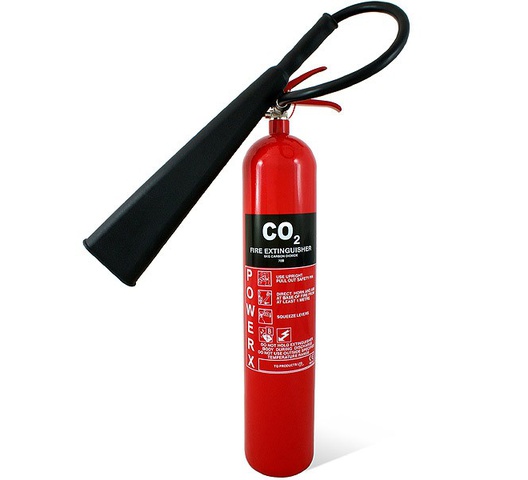
CARBON DIOXIDE (CO2)
$ 41.72
By ELIMINATING the oxygen component of the fire triangle and removing heat with a very cold discharge, carbon dioxide fire extinguishers put out fires. Laboratories, mechanical rooms, kitchens, and storage facilities for flammable liquids are common places to find CO2. By displacing oxygen, or minimizing the oxygen element of the fire triangle, carbon dioxide extinguishes fires. As it exits the extinguisher, the carbon dioxide is likewise exceptionally cold, which cools the fuel as well. CO2s might not be able to displace enough oxygen to totally put out Class A fires, making them ineffective at doing so. Class A materials have the potential to smolder and re-ignite. Only Class B and C (flammable liquid and electrical) fires are intended for CO2s. CO2 cylinders come in red and have weights of 4.25 kg to 16. 34 kg or more. A long, flexible hose will have a firm horn at the end in the larger diameters. Excessive pressure is used to fill carbon dioxide extinguishers with non-flammable carbon dioxide gas. A CO2 extinguisher can be identified by its hard horn and absence of a pressure gauge. When you use one of these extinguishers, pieces of dry ice may erupt out the horn due to the high pressure inside the cylinder.
Related products
Sale!
Vintage 126
$ 8.76
Sale!
Aerospace
$ 9.04
Sale!

$ 5.56
Sale!
Aerospace
$ 10.43
Sale!
Bentley
$ 13.91
Sale!
Avenger Seawolf
$ 10.43
Sale!
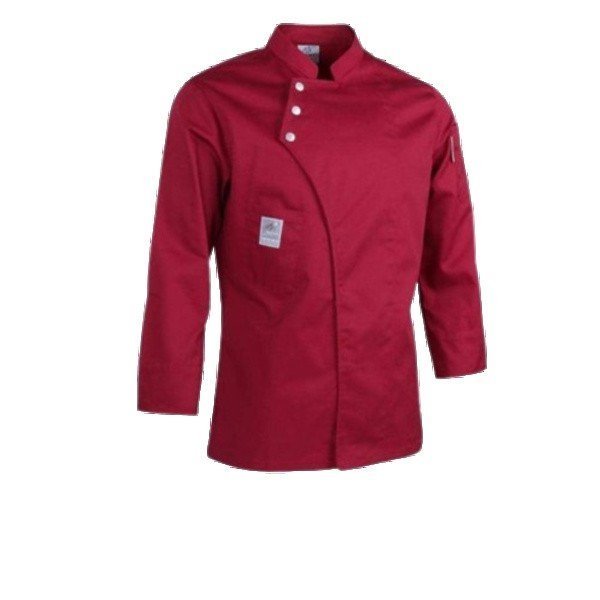
Royal Oak Offshore
$ 13.91
Sale!
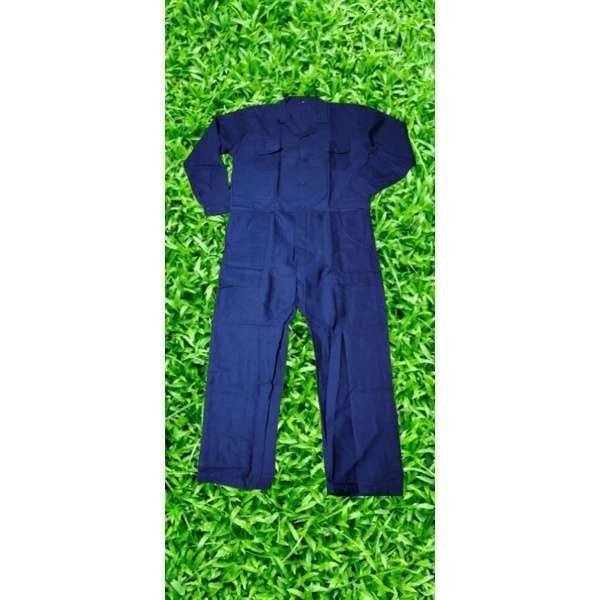
Royal Oak
$ 10.43